
TPWallet English Operation Guide: Efficient Fund Handling, Contract Functions and Emerging Tech

Overview:
This guide explains practical TPWallet operation in English with emphasis on efficient fund handling, interacting with smart-contract functions, professional security insights, and frontier technologies (zk-rollups, account abstraction). It also briefly places Hashcash and public-chain coin concepts in context.
Getting started (quick):
1) Install and initialize: download TPWallet from an official source, create a new wallet or import via mnemonic/JSON/private key. Securely back up the seed phrase offline.
2) Network & tokens: add networks (Ethereum, BSC, etc.) and import tokens by contract address. Know native coin vs token differences: native coin pays gas; tokens are ERC-20/BEP-20-style and require approve patterns.
Efficient fund handling:
- Nonce and queue management: track pending nonces to batch transactions or replace-by-fee (speed up/cancel). Use explicit nonce control for parallel transfers.
- Batch transfers & gas optimization: where supported, batch multiple transfers into one transaction or use multicall contracts to reduce per-transfer gas overhead.
- Use relayers/meta-transactions: enable gasless UX or pay gas in alternative tokens where supported.
- Multisig & timelocks: distribute custody to reduce risk and enable safer high-value flows.
Contract functions (practical):
- Read vs write: view/constant calls are free (no gas); state-changing calls require signing and gas estimation.
- Approve/transferFrom: minimize unlimited approvals; use allowance caps and revoke when unnecessary.
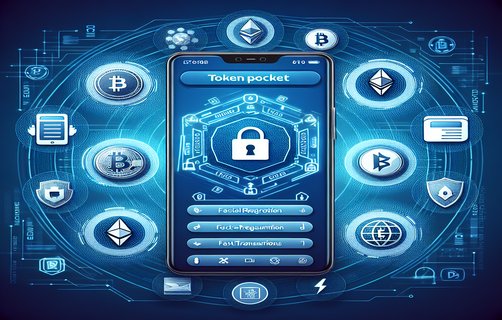
- ABI & custom calls: TPWallet can input a contract ABI to generate function calls; confirm parameters and expected gas.
Professional insights & security:
- Audit & monitor: use verified contracts, chain explorers, and on-chain monitoring (alerts). Limit exposure via hardware wallets and minimal approvals.
- Test before mainnet: deploy or interact on testnets first.
Advanced tech frontiers:
- Layer2s (zk-rollups, optimistic): reduce gas and increase throughput; TPWallet support for L2 networks enables cheaper transfers.
- Account Abstraction & ERC-4337: enables advanced signing, social recovery, paymaster/gas sponsorship.
Hashcash & proof-of-work relevance:
- Hashcash is an early PoW anti-spam concept and underpins PoW blockchains like Bitcoin; modern wallets primarily interact with both PoW and PoS chains and benefit from L2 scaling instead of raw PoW cost.
Public-chain coins:
- Understand native coins (ETH, BNB) vs tokens; bridging/wrapping adds complexity and risk—always verify bridge security.
Final tips:
- Keep software updated, restrict approvals, use hardware keys for large balances, monitor gas and nonces, and leverage L2s or relayers for cost efficiency.
评论
NeoTrader
Concise and practical—especially liked the nonce and multicall tips for batching transfers.
小明
关于Hashcash的简要回顾有助于理解PoW链与现代L2的差异,很实用。
CryptoLynx
Good rundown on approvals and revoking allowances. Could add a short checklist for hardware wallet setup.
链上观察者
提到Account Abstraction很棒,期待更多关于ERC-4337实际应用示例的深度分析。